


NESA® Neuromodulation
Non-invasive neuromodulation for nervous system regulation.
NESA® Neuromodulation: The "Reset" for Your Nervous System
At ENIQ we understand that chronic bruxism, tension headaches and cervical pain are not just about "clenching your teeth". They are the manifestation of a nervous system that has forgotten how to relax.
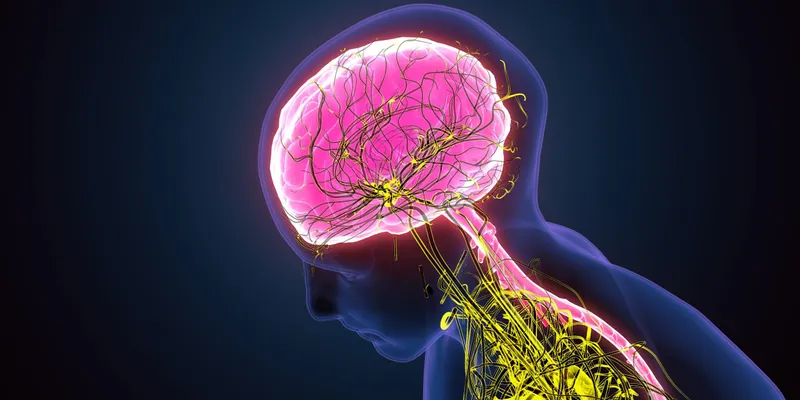
NESA® is a medical technology that uses very low-intensity microcurrents, completely imperceptible to the patient, that stimulate neurological pathways to regulate the body. Unlike other treatments that focus only on the muscle, NESA® acts on the "command center": the autonomic and central nervous system.
The "Pain Triangle": the root of the problem
Sustained stress puts your body in a constant "alert mode". When the autonomic nervous system becomes unbalanced, a chain reaction is triggered that feeds persistent pain.
It is the ideal treatment for those seeking orofacial and cervical pain relief through a non-invasive and painless solution, safe and without side effects, that treats the neurological mechanism that maintains hyperactivation and pain.
Your body cannot switch off, keeping stress levels permanently elevated.
The brain sends constant clenching signals, causing daytime and nighttime bruxism.
Tension headaches and bruxism-related cervicalgia appear that don't respond to conventional treatments.
Improvement in perceived quality of life according to EuroQol-5D scale.
Reduction in orofacial and cervical chronic pain intensity.
Improvement in subjective sleep perception according to PSQI index.
The standard protocol consists of 30-45 minute sessions, with noticeable results from the very first sessions. Your plan is personalized after a complete initial assessment.

A 360° integrated approach at ENIQ
We integrate NESA® within a personalized plan that combines the best techniques to treat bruxism and chronic pain from every angle.

What does our comprehensive approach include?
NESA® Neuromodulation
Acts on the "software" (central nervous system), reprogramming the pain response and restoring autonomic balance.
Therapeutic Acupuncture and Dry Needling
For immediate muscular and nerve relief, deactivating persistent trigger points that maintain referred pain.
Night Guards
As mechanical protection for dental enamel, complementing neurological treatment with a physical nighttime barrier.
Postural Reeducation and Diathermy
To release accumulated cervical load and accelerate muscle tissue recovery through deep heat.
While acupuncture and physiotherapy work on the 'hardware' (your muscles and tendons), NESA® technology acts on the 'software' (your central nervous system), reprogramming the pain response.
Measurable results backed by scientific publications in patients treated with NESA® neuromodulation.
Quality of life
Sleep quality
REM phase increase
Increase in total sleep hours
Sleep quality maintenance
Daytime sleepiness improvement
Pain perception reduction
Cognitive function improvement
Real clinical data on the impact of NESA® neuromodulation on pain, sleep and overall wellbeing.
Autonomic Nervous System Balance
Improvement in Sleep Quality and Deep Rest
Proven Scientific Results
Measurable results, backed by science
Who is NESA® treatment for?
It is especially beneficial for patients who have not found relief with conventional treatments and need a nervous system approach.
- Resistant chronic bruxism For those who don't improve with night guards alone and need to address the neurological cause of clenching.
- Tension headaches and recurrent migraines Patients with persistent headaches associated with muscle tension and stress that don't respond to painkillers.
- TMJ disorders Locked jaw, clicking or temporomandibular joint pain that requires neuromuscular regulation.
- Insomnia and chronic fatigue Feeling tired upon waking, non-restorative sleep and difficulty disconnecting from daily stress.
- Somatized stress and anxiety When stress manifests physically with cervical tension, teeth grinding and orofacial pain.
At ENIQ, our commitment is integrated medicine and dentistry. Because to treat your smile and your neck, we must first take care of your nervous system.
How much does NESA® treatment cost?
The price of NESA® neuromodulation treatment is determined after a personalized initial assessment, adapting the number of sessions to your specific needs.
NESA® Neuromodulation
Nervous system regulation
Non-invasive neuromodulation treatment for chronic bruxism, tension headaches and autonomic nervous system regulation.
Initial assessment included
Non-invasive and painless
No side effects
Personalized plan

FAQ
Frequently asked questions about NESA® neuromodulation
Get answers about NESA® neuromodulation for bruxism and chronic pain. customer service.
Scientific references
Publications supporting the clinical evidence of NESA® neuromodulation.
- Báez-Suárez A, Báez-Suárez V, Saldanha L, Vílchez-Barrera M, Hernández-Pérez A, Medina-Ramírez R (2025). Improving Sleep Quality and Well-Being in Institutionalized Older Adults: The Potential of NESA Non-Invasive Neuromodulation Treatment. Geriatrics, 10(1), Article 1.Ver publicación
- Conde-Santos G, Martín-Martínez A, Carballo-Rastrilla S, Fernández-Mederos A, Báez-Suárez A, Hernández-Pérez A, Quintana Montesdeoca MP, Medina-Ramírez R (2024). Efficacy of the autonomic nervous system approach using NESA neuromodulation for the treatment of overactive bladder: A randomised trial. Neurourology and Urodynamics.Ver publicación
- Teruel-Hernández E, López-Pina JA, Souto-Camba S, Báez-Suárez A, Medina-Ramírez R, Gómez-Conesa A (2023). Improving Sleep Quality, Daytime Sleepiness, and Cognitive Function in Patients with Dementia by Therapeutic Exercise and NESA Neuromodulation: A Multicenter Clinical Trial. International Journal of Environmental Research and Public Health, 20(21):7027.Ver publicación