


Bacteriological Test
Microbiological analysis for periodontal diagnosis
What is an oral bacteriological test?
An oral bacteriological test, also known as oral bacterial culture or oral microbiological analysis, is a procedure in which samples are taken from the saliva or dental plaque of the mouth and cultured in a laboratory to identify and analyze the bacteria present.

This type of test is performed to evaluate the quantity and type of bacteria found in a person's mouth. It helps identify the bacteria responsible for oral diseases such as dental cavities, gum diseases, and other oral infections.
The process generally involves taking a saliva sample or gently scraping the surface of the teeth or gums to collect dental plaque samples. These samples are sent to a laboratory where they are cultured and bacterial growth is observed. Then, the bacterial species present are identified and their quantity is determined.
The oral bacteriological test can be useful in specific clinical situations, such as cases of severe or recurrent periodontal diseases, to guide appropriate treatment. It provides information about the individual bacterial profile of a patient and can help oral health professionals personalize the therapeutic approach.
It is important to note that the oral bacteriological test is a specialized procedure and requires proper laboratory equipment and techniques. It should only be performed by trained professionals in appropriate clinical and laboratory settings.
What is the procedure for doing a dental bacteriological test?
The procedure for performing a bacteriological test in a dental consultation can vary according to the type of test and the resources available in the clinic. Below is a general procedure that can be followed:
Patient preparation
Before performing the bacteriological test, the patient may be instructed to refrain from eating, drinking, or performing any activity that may affect the sample for a certain period of time, usually a few hours before the procedure.
Obtaining the sample
The dentist or trained staff will take the sample from the patient's mouth. This may involve collecting saliva, gently scraping the surface of the teeth, gums, or tongue, or taking dental plaque samples using swabs or specialized instruments. The samples will be placed in a sterile container.
Preparation and sending of samples
The collected samples will be placed in an appropriate transport medium to preserve the bacteria present in the sample. They will then be correctly labeled and sent to the laboratory for analysis.
Bacterial culture
In the laboratory, the samples will be cultured in specific culture media that promote the growth of bacteria present in the sample. The culture plates are incubated at an appropriate temperature and conditions for a certain period of time to allow bacterial growth.
Identification and analysis
After incubation, the bacterial colonies that have grown on the culture plates are analyzed and identified using microbiological techniques, such as microscopic observation, biochemical tests, or molecular tests. This allows determining the bacterial species present and their relative quantity.
Results report
Once the analysis is complete, a results report is generated that details the bacterial species identified and their concentrations. These results are interpreted and used to guide diagnosis and appropriate treatment based on the patient's needs.
It is important to note that the exact procedure may vary according to the dental clinic and the resources available. If you are interested in performing a bacteriological test, I recommend consulting with your trusted dentist to obtain specific information about the procedure in their office.
What are the benefits of doing a bacteriological test?
The main objective of performing a bacteriological test for periodontitis is to identify the specific bacterial species present in the periodontal pockets, as well as to evaluate their quantity and activity. This provides valuable information about the bacterial composition of the patient's mouth and helps determine the risk and severity of periodontal disease.
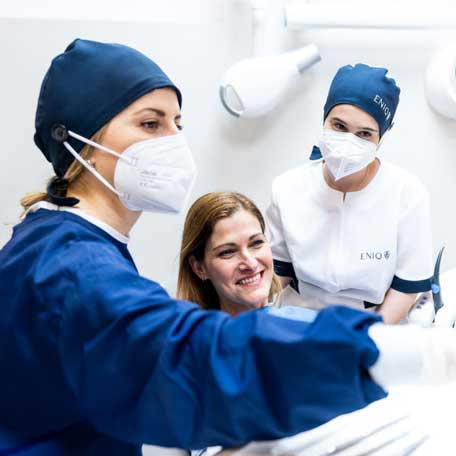

Benefits
Accurate diagnosis
It helps confirm the diagnosis of periodontitis and differentiate it from other oral conditions. It allows identifying the specific bacteria associated with the disease, which can help establish an appropriate treatment plan.
Disease prognosis
The presence and quantity of pathogenic periodontal bacteria in periodontal pockets can indicate the prognosis of the disease and its progression. This helps predict the response to treatment and determine the risk of long-term tooth loss.
Treatment guidance
It allows designing a personalized treatment plan, selecting more effective and targeted antimicrobial therapies, such as the use of specific antibiotics, mouthwashes, or pocket decontamination procedures, to control the bacteria causing the disease.
Treatment follow-up
After periodontal treatment, it evaluates the effectiveness and control of periodontal bacteria. It determines if pathogenic bacteria have decreased in quantity and if the treatment is successful.
It is important to note that the bacteriological test for periodontitis is used as a complementary tool in the diagnosis and management of the disease. It is performed in combination with a clinical evaluation and other periodontal exams to obtain a complete picture of a patient's periodontal health and provide appropriate and personalized treatment.
What is the price of the bacteriological test?
Bacteriological test
Bacterial control
Complete microbiological analysis to identify the bacteria present in your mouth and design a personalized and effective treatment. Advanced laboratory technology for precise results.
Todo incluido